
Ingredients, Method, Heritage
The Production Process
Bosia · Alta Langa
Making cheese is an act of listening.
To the milk, to the seasons, to the time each wheel requires.
At Caseificio dell’Alta Langa, every phase of the production process follows a precise rhythm, built over decades of experience and perfected day after day.
Milk is both the starting point and the destination.
Each wheel tells the story of what it contains: the season, the animals’ diet, the care of those who raise them.
We work with mixed milk and pure goat’s milk, sourced from selected farms to guarantee the highest quality in every production process.
Lactic
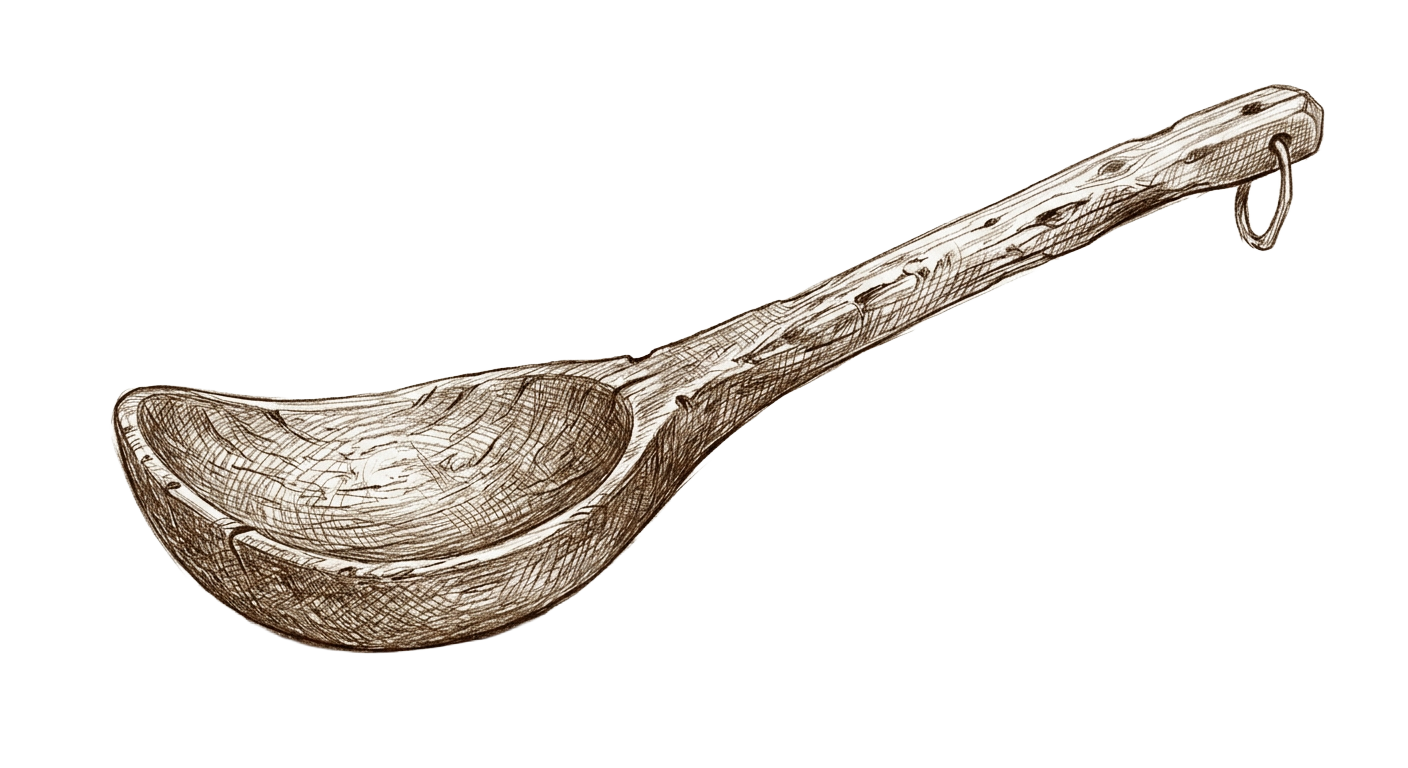
In lactic production, coagulation occurs slowly, through natural acidification, with a small addition of animal rennet to support the process.
We work in the same 100-liter vats, but the gestures change: the spino and the harp move gently, because lactic curd is delicate and requires a firm but light hand.
Once consolidated, it is gathered by hand with the cheese maker’s paddle and poured by hand into the molds in multiple passes: this is moulage à la louche, a traditional technique in which the cheese maker’s experience makes all the difference.
This production process gives birth to Rocchetta and Tur: cheeses with a creamy paste and a fine, elegant aromatic profile.
Rennet
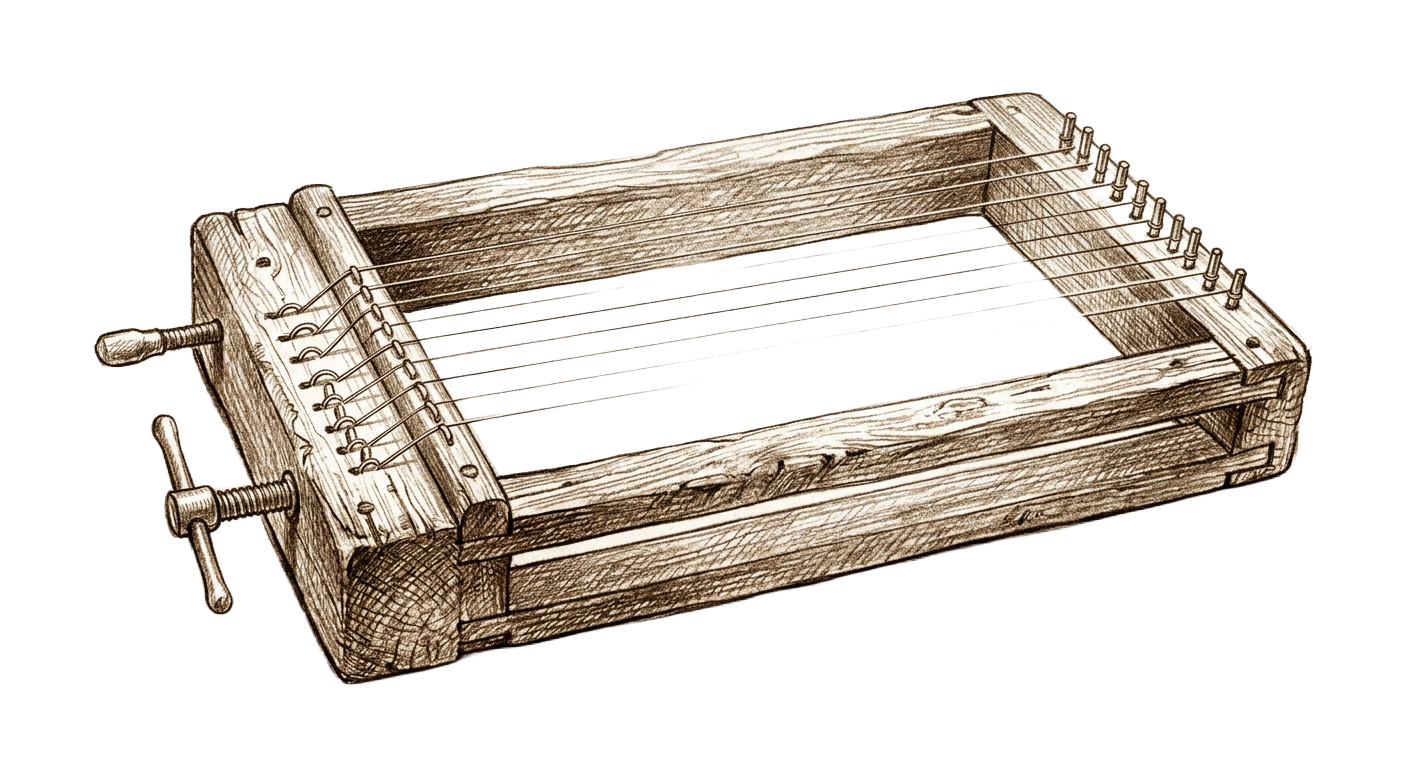
In rennet production, animal rennet is used to coagulate the milk. Every phase is manual: from cutting the curd to using the spino and the harps; entrusted to the cheese maker’s hands, who monitors each transformation with care and precision.
We work in small 100-liter vats and use internally developed cultures: a choice that allows us to guarantee consistency in flavor and the highest production quality.
This is the production process that gives life to cheeses with a structured body, firm paste, and more pronounced flavor: cheeses that develop character over time.
Among these, Bosina, Castelbelbo, and Carboncino: three different expressions of the same production philosophy.
Turning
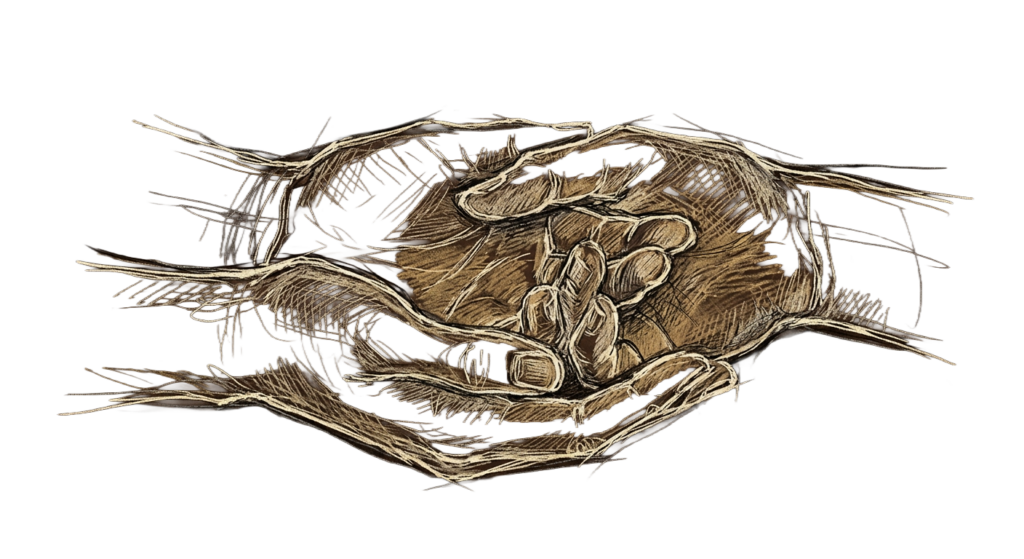
After molding, the cheeses are turned manually, still in the molds, at predetermined intervals, to allow excess whey to drain properly.
It is a gesture that requires experience: each turn must occur at the right moment, neither too early nor too late.
Once turning is complete, the cheeses rest in a dedicated room, with controlled temperature, humidity, and filtered air: precise conditions that protect the product from the formation of undesirable molds.
After 12 to 32 hours, a time that varies depending on the season, type, and size of the product, the paste has reached optimal compaction.
Only at this point are the wheels gently removed from the molds and ready for salting.
Salting
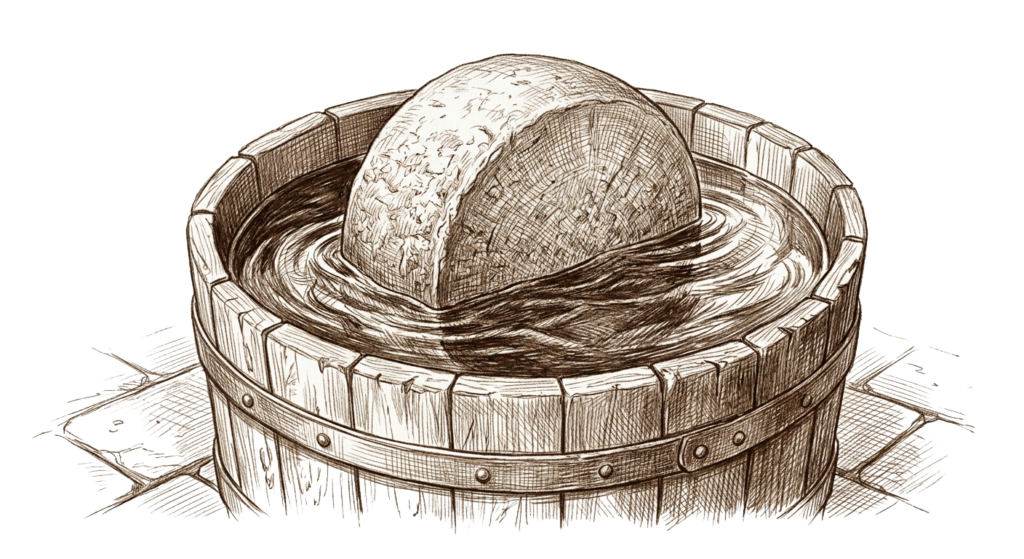
Each wheel is immersed in brine, a step that goes well beyond simple salting. The salt enters the paste, slows its fermentation, forms the rind, and contributes to the final character of the cheese.
We work with separate vats: one dedicated to fresh cheeses, another for semi-aged and aged cheeses.
Immersion times vary for each product, depending on the type of milk and the size of the wheel. Each cheese has its own rhythm and its own needs.
Aging
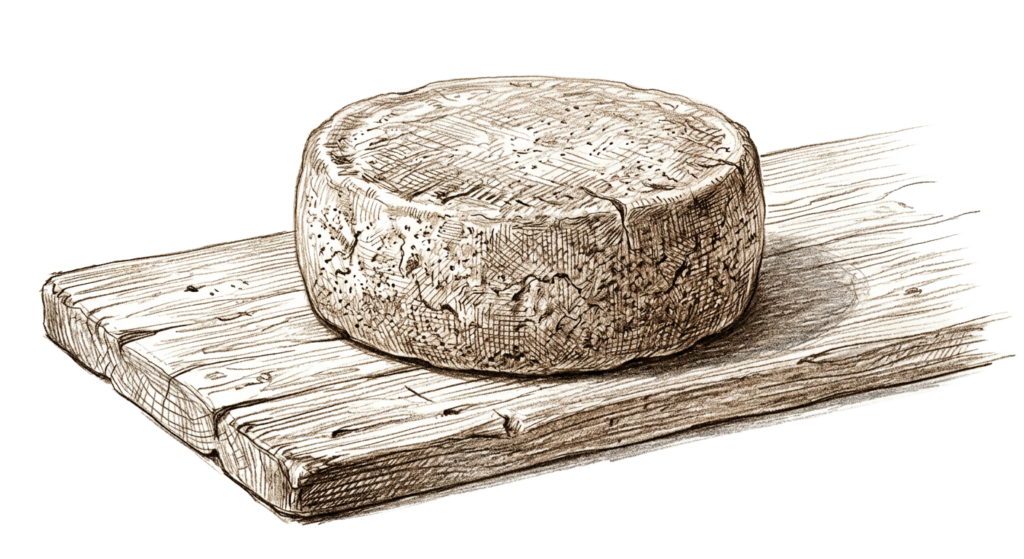
The wheels enter the aging rooms: environments with filtered air, controlled temperature and humidity, where time does its work.
Each wheel is inspected and turned by hand: a precise gesture that promotes uniform mold formation on all surfaces and prevents the product from sticking to the racks, preserving the integrity of the rind.
Times vary depending on the product and the season, which significantly affects temperature and humidity.
Fresh cheeses rest for 2 to 5 days, semi-aged cheeses for 7 to 10; for our aged cheeses, such as Toma di Capra, aging can extend up to 45 days: the time necessary for the paste to develop its full character.
Packaging
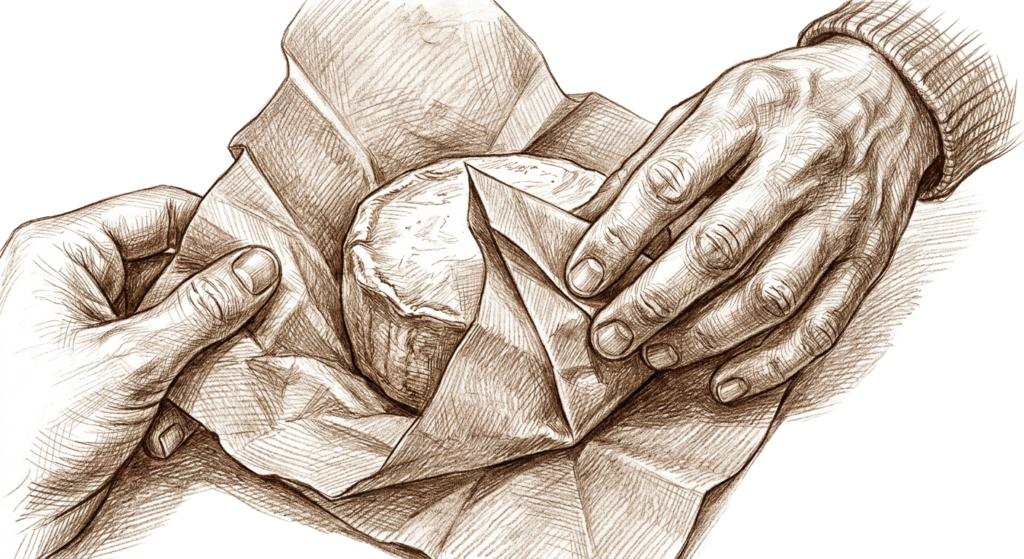
Packaging follows the nature of each product.
Lactic cheeses, such as Rocchetta and Tur, are packaged by hand, each in its own cup with its label.
For export, each wheel is protected by a dedicated box, designed to preserve the product’s quality during transport and ensure it arrives intact at its destination.
Rennet cheeses, such as Bosina and Toma, are instead packaged with automatic machines, hand-fed.
Even at this stage, each wheel passes under the eyes of the packaging operators, trained to recognize and guarantee quality until the very last moment.
The Labels
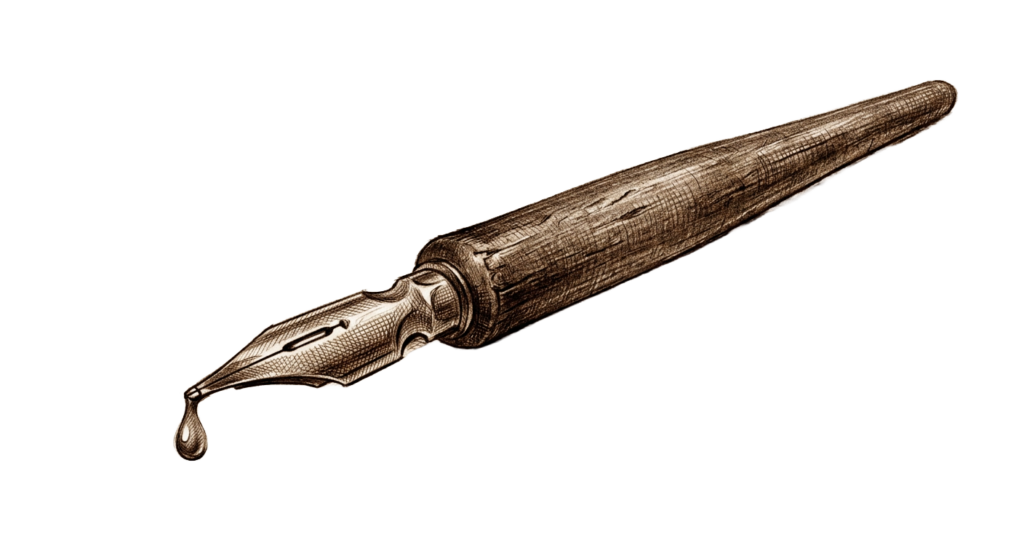
Behind each label and each package is a story.
The designs were hand-drawn by Paola, daughter of founder Francesco, passionate about drawing since childhood.
Each illustration is a small painting, a discreet but precise mark of the family identity that runs through every aspect of this dairy.
*The illustrations on this page are evocative and do not faithfully represent every phase of the production process.
Ingredients, method, heritage.
Thirty mixed milk and pure goat’s milk cheeses that tell the story of each phase of a production process that never changes.
Since 1881, the Merlo family has carried forward knowledge that has lasted for generations, between cheese and heritage.